
Automotive engineering & design
My interest in automobiles lies not in speed or status, but in mechanical honesty and proportional design. Whether analyzing the chassis dynamics of an analog classic or the hand-formed coachwork of early coachbuilders, I admire vehicles built with an obsessive focus on tactile feedback, structural integrity, and longevity over planned obsolescence. It is a reminder that the best experiences are engineered from the ground up.
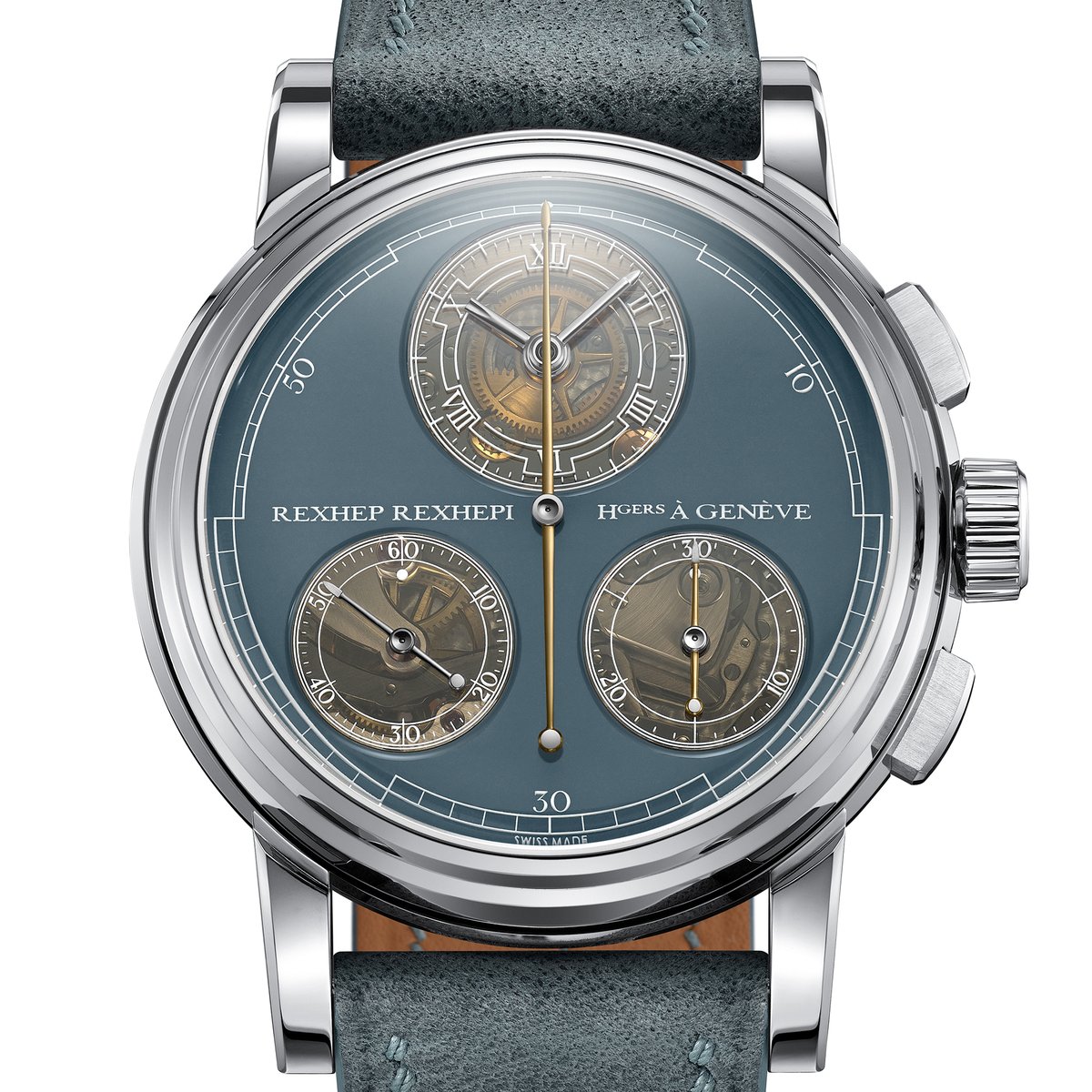
Mechanical horology
In an era dominated by digital automation, mechanical watchmaking stands as a masterclass in spatial efficiency and microscopic precision. Hundreds of intricate components, crafted and assembled by hand, work in absolute harmony to measure time through pure kinetic energy. Appreciating horology means respecting the patience, extreme tolerances, and generational knowledge required to create something built to outlive its owner.

Artisanal fragrance
High perfumery is an exercise in invisible architecture — the deliberate balancing of raw materials, origins, and natural volatility to evoke mood and memory. Beyond mass marketing, my appreciation focuses on artisanal formulation: the rare sourcing of natural botanical essences, the patience required for proper aging and maceration, and the precision needed to structure a harmonious pyramid. It is a subtle discipline that underscores how ambient details profoundly shape human perception and spatial memory.
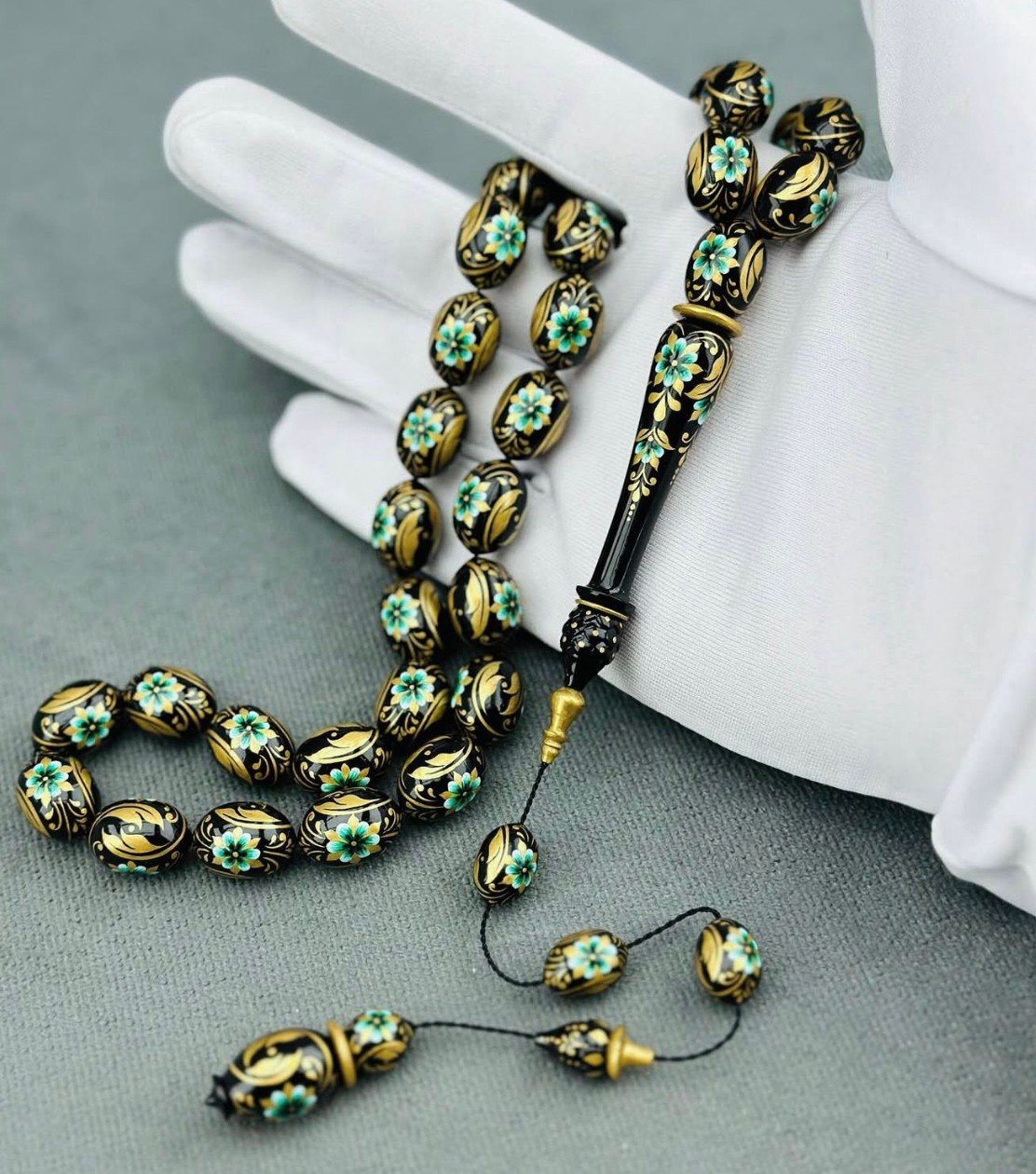
Prayer beads (tesbih) crafting
Beyond their spiritual and cultural significance, prayer beads represent a unique study in materiality and ergonomics. The search for rare natural amber, organic woods, or natural stones demands a deep respect for natural resources, while the turn of a single bead requires absolute symmetry, balance, and fine hand-carving. A masterfully crafted misbaha is an exercise in tactile rhythm — where weight, finish, and proportion come together to transform raw material into an object of quiet focus.